Most major sporting events do not live up to their names, literally at least. Major League Baseball's World Series apparently envisions a world that only includes the United States and Canada. The National Football League's Super Bowl is only rarely super, as those who watched February's 29-13 snoozefest between the Seahawks and Patriots experienced in real time, a game that featured a record five field goals. The Olympics, despite the Greek etymology of the name, do not take place in or around the ancient Greek shrine of Olympia. And the NBA Finals are the last games, though it seems like no one told the San Antonio Spurs that.
The World Cup, or the FIFA World Cup as soccer's international body repeatedly insists on calling it, truly is the global sporting event, eclipsing all others. An estimated 5 billion people watched at least some of the 2022 World Cup. With an even larger field of countries, the 2026 tournament is underway now in the US, Canada, and Mexico and is primed to be even bigger. And unlike nearly every other major sport tournament, and despite the rivers of red tape, bureaucracy, and politics the whole event comes wrapped in, the World Cup is guaranteed not to disappoint.
Five reasons the tournament stands apart
The case for the World Cup over every other major event breaks down like this:
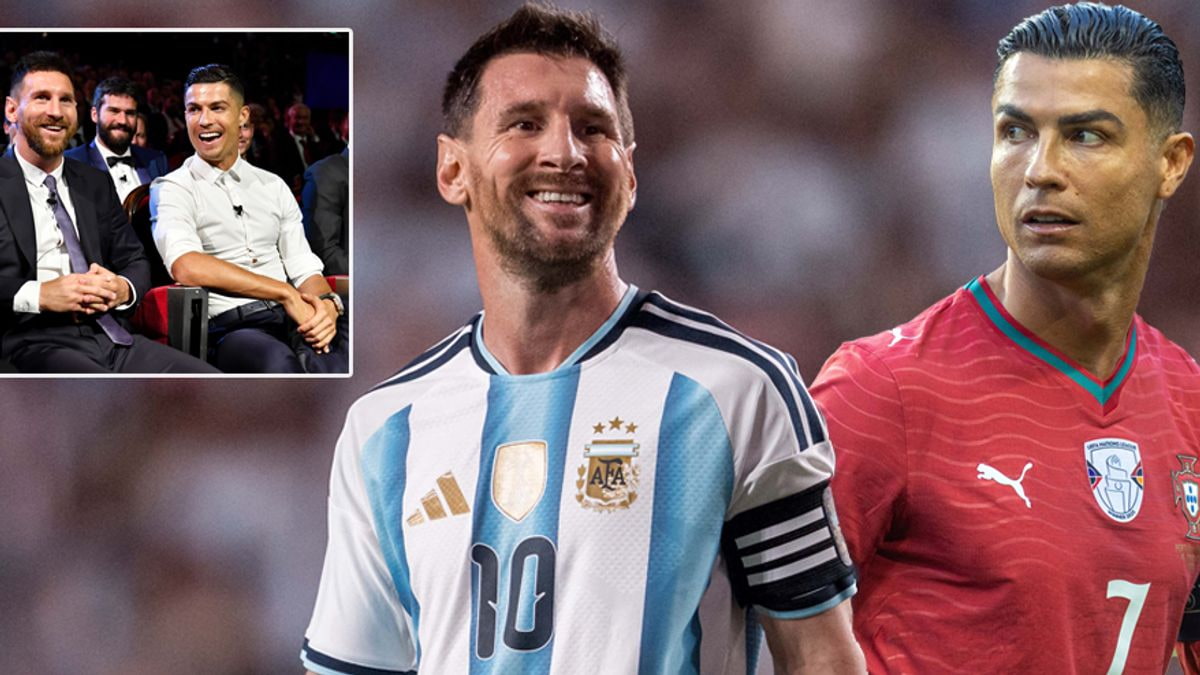
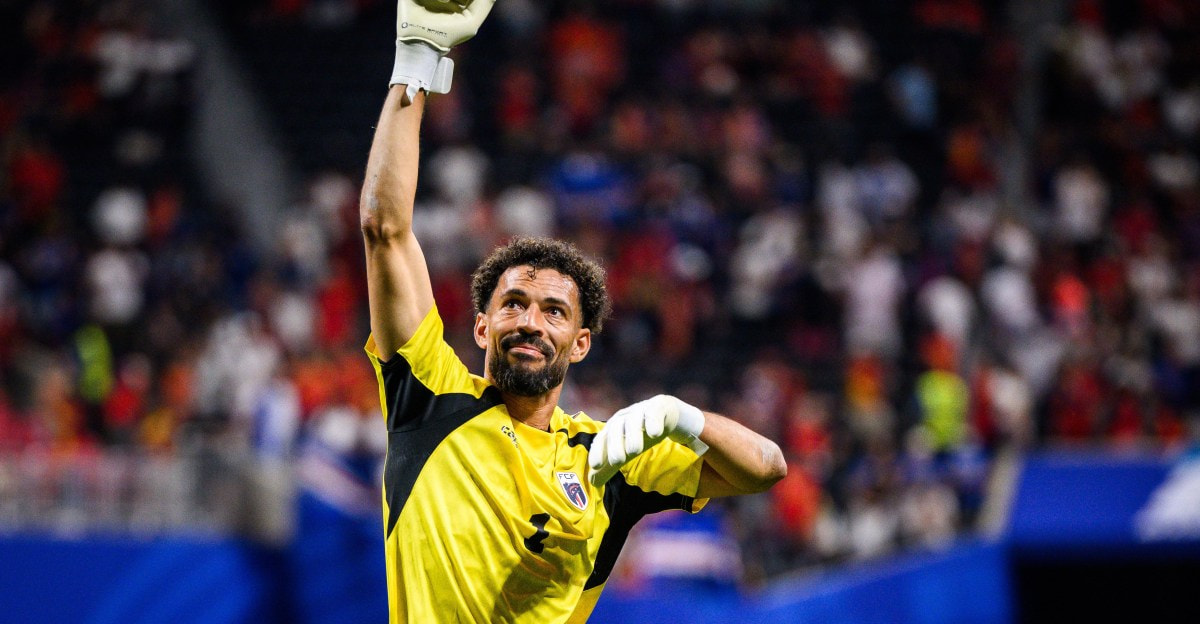
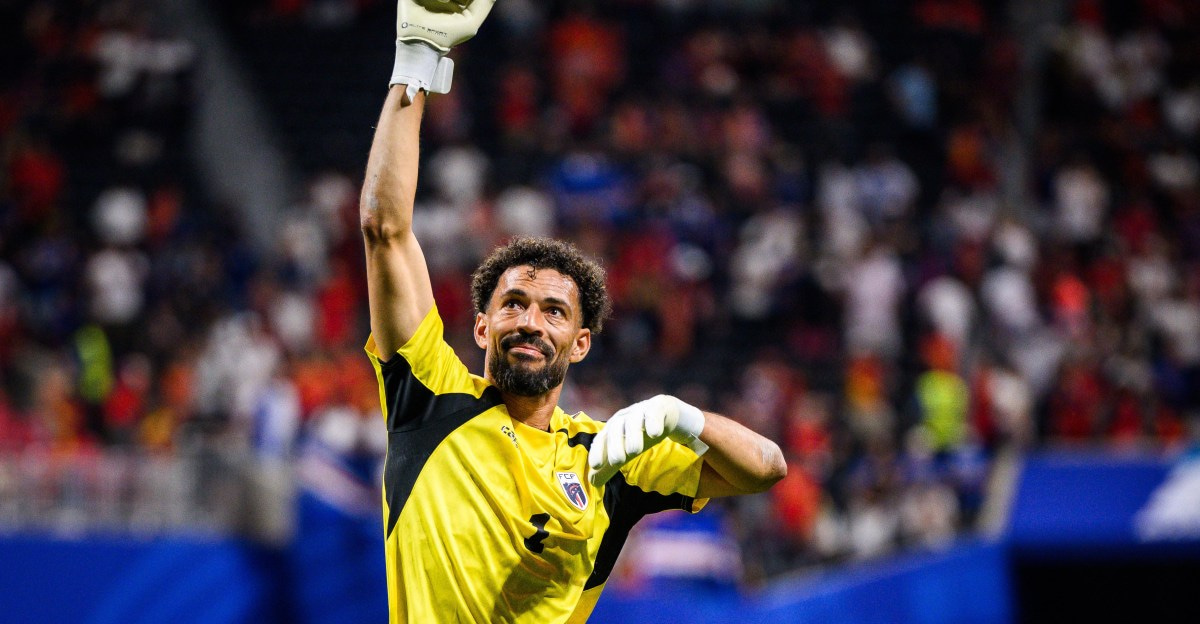
- A tie can count as a nation's greatest-ever sporting achievement. When World Cup debutantes Cape Verde, population 529,600, tied tournament favorite Spain with a 0-0 draw in Atlanta on June 15, fans of the tiny West African nation must have felt like they had the entire thing. Two days later, the Democratic Republic of Congo, one of the poorest countries in the world and currently embroiled in both a deadly civil war and a major Ebola outbreak, somehow deadlocked with fifth-ranked Portugal and its star Cristiano Ronaldo 1-1. With results like this, even American fans might learn to love ties.
- We might actually be good! The main host nation kicked off its World Cup campaign with a 4-1 drubbing of Paraguay, which might be the single most impressive moment in US tournament history since the Americans "beat" England 0-0 in 2022. Yes, technically a draw, and yes, absolutely a victory. With its own Golden Generation of stars like Christian Pulisic, Tyler Adams, and Weston McKennie, the Yanks might actually be dangerous this time around.
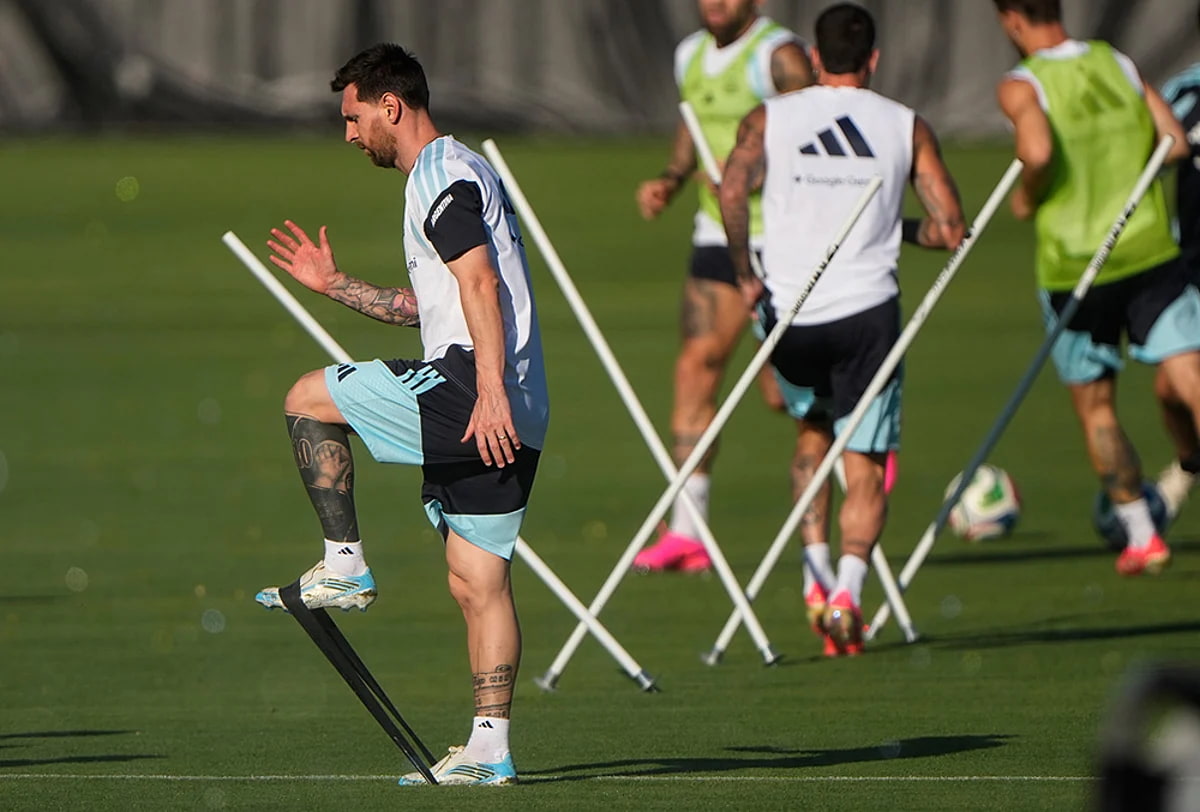
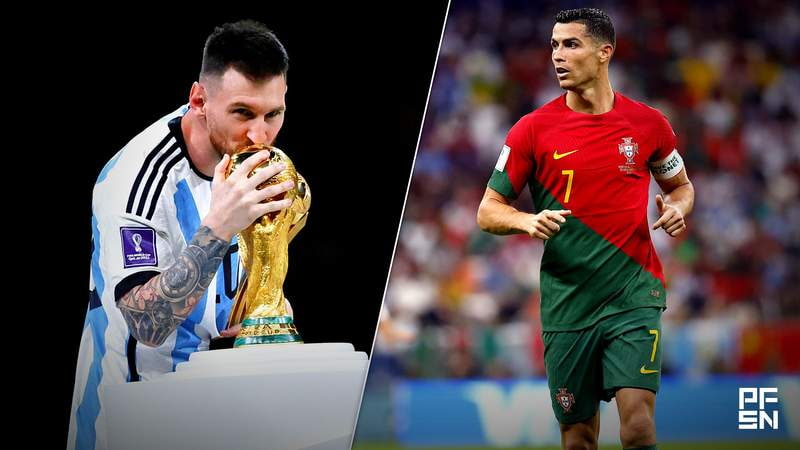
- But it also doesn't matter. A big reason why the World Cup is so great is that it gives everyone an excuse to indulge in the most benign forms of nationalism. The Turks might take it a bit far. But true fans are there to applaud greatness no matter the color of the kit, especially as the tournament progresses and the pool of competitors gets narrower and more elite. For generational superstars like Argentina's Lionel Messi, who netted a hat trick at age 38 in defending champion Argentina's opening match, the World Cup is but a stage, and we are all witnesses to greatness.
- National stereotypes can be fun. A quarter of passengers on a 5:27 am train from New York to Boston last Friday appeared to be wearing kilts. It was Scotland's Tartan Army, on the way to Beantown to watch their beloved national side and party while doing it. That might have been in reverse order. One Boston bar said it ran out of beer altogether by Sunday night, selling three times what it usually does on St. Patrick's Day. Perhaps it is a good thing that Ireland did not make the 2026 tournament, otherwise there might be a national crisis on our hands. Japanese fans, meanwhile, stayed behind and cleaned up after themselves following their side's opening match in Dallas on June 14. They have done it at every World Cup match since 1998, and they even managed to convince NFL quarterback Jameis Winston to help out.
- It's truly global, all the way down to the players. The World Cup may be a contest of nations, but the players themselves show just how liquid borders have become. Nearly a quarter of the 1,248 players at this year's tournament were born in a country other than the one they're playing for, up from under 9 percent as recently as 2006. In the case of Curaçao, the smallest-ever nation in the World Cup, 25 of its 26 players were born abroad, while Morocco became the first ever side with an entirely foreign-born starting 11.