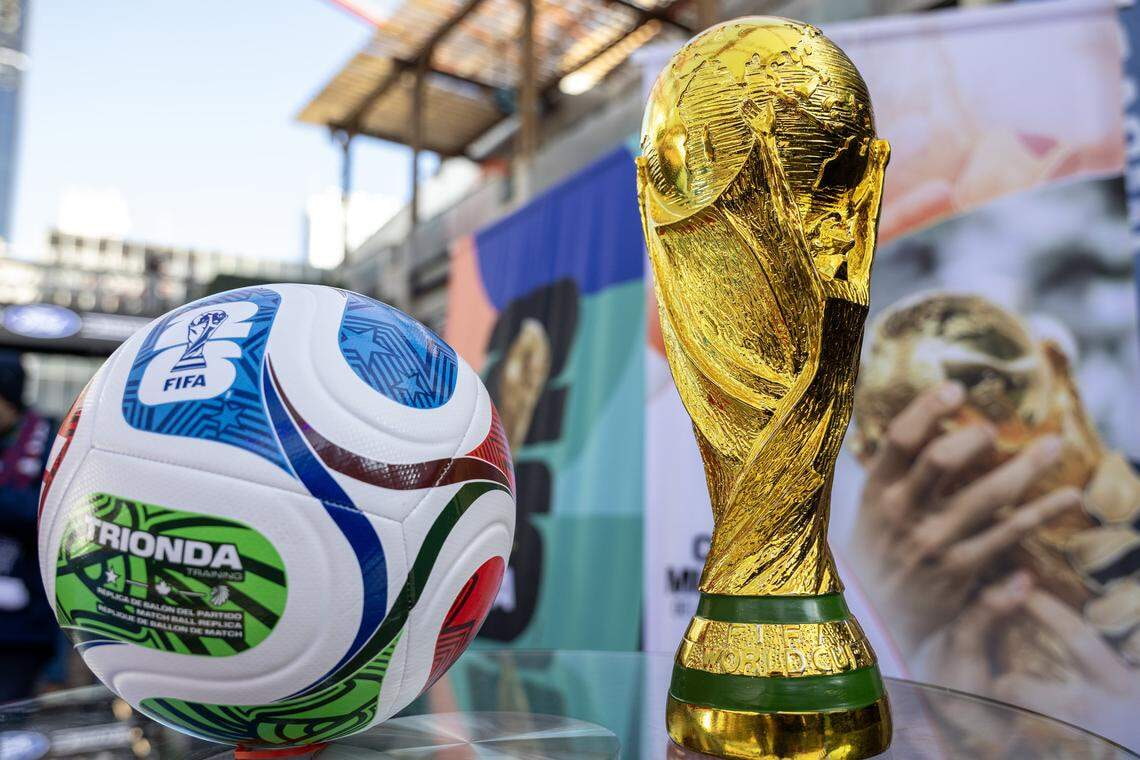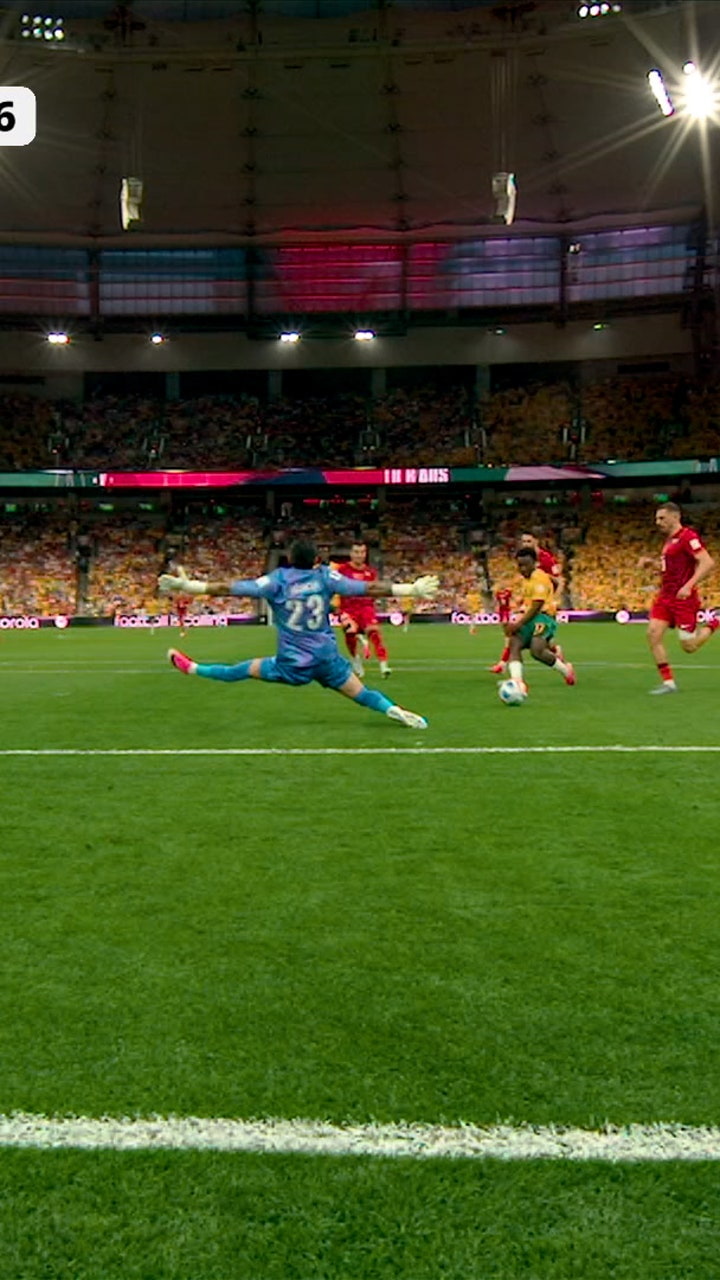
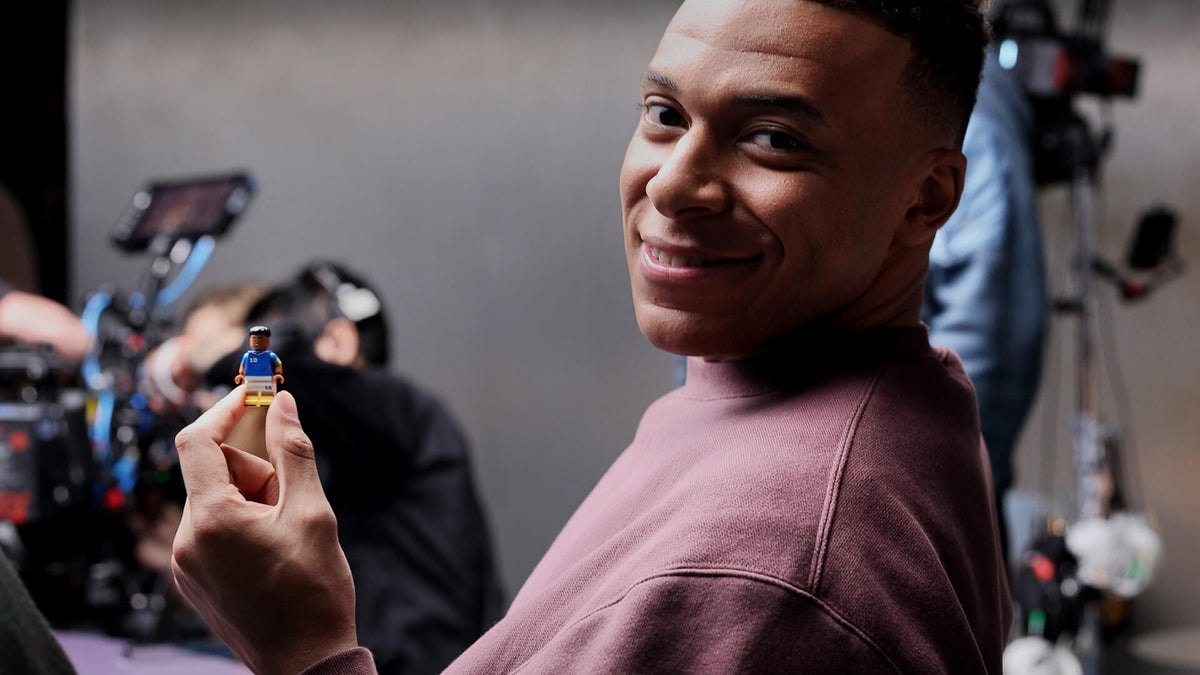
Lego began work in the summer of 2024 on a special product launch tied to the men's 2026 World Cup, a two year development cycle that culminated last month with figures featuring four of football's biggest names. Portugal's Cristiano Ronaldo, Argentina's Lionel Messi, Brazil's Vinicius Junior and France's Kylian Mbappe each signed off on their minifigure faces and chose the colour of boots they wanted on the finished sets.
The project sat inside Lego's Editions team, a 16 person group focused on highly collectible products. Model designer Luka Grkovic joined the company in late 2024 and landed in the middle of that push. During his first week in what he has described as his dream role, he wandered the office and noticed a colleague playing with a tiny football made of Lego bricks. That moment stuck with him.
From City Sets to World Cup Stars
Grkovic grew up in Split, Croatia, where football was a constant presence. He still idolises compatriot Luka Modric and wore an AC Milan shirt during a recent interview about the project. Before the World Cup line, he worked in Billund, the Danish town where Lego was born, on the City team. That group handles real world themes, and Grkovic spent time designing police figures and firefighters before his football knowledge pulled him toward the Editions work.
We knew football was a big passion for the targeted audience, which is teens and (children aged) 10-plus. It was the perfect time to join because I was working on a lot of concepts initially doing a lot of different models,
Grkovic said of arriving while the World Cup concepts were still taking shape.
Design starts differently depending on the designer. Some sketch on paper, a computer or tablet. Grkovic prefers to build with bricks on the ground first and move to technology afterward.
I did the first concepts for the buildable Cristiano Ronaldo figure, and then a lot of different vignettes and different styles. It was a lot exploration for the first three to four months. And then we figured out this is what we're going to do and started working on the products,
Two Designs Per Player, Wide Price Range
Each of the four players received at least two bespoke designs. The line includes minifigures that ship with their own plaques. Ronaldo's plaque carries his stats and signature. Larger, more realistic and more expensive buildable versions sit alongside those smaller figures.
Set heights, piece counts and prices vary across the range. The smallest build runs 490 pieces. Messi's celebration set, which puts the Argentine in national colours with his arms raised and fingers pointing skyward, totals 1,427 pieces. Pricing starts at £24.99 ($29.99) for the minifigure designs and climbs to £159.99 ($199) for the Messi celebration model.
Grkovic served as lead product designer on the Ronaldo and Mbappe sets. At multiple points in the process, Lego showed concepts and finished products to children around the world to gather feedback before final release.
Building for New and Younger Fans
We knew these (sets) were maybe getting to new fans, or to people who haven't built with Lego bricks before, so we didn't go crazy with the techniques,
Grkovic said.
We tried to have some fun ways of building, but not too complicated also because of the age mark is 10-plus not 18-plus.
Internal review extended beyond a single desk. Designers share work across teams and pull in varied opinions before anything ships.
In teams, we share the designs and we get different opinions from different people,
Grkovic added.
For the football test, we assembled a group of designers who are just very passionate about football and brought them together, especially for the plaques we designed.
He also noted:
We had a lot of different fans weighing in their opinions.
Testing Before Boxes Hit Shelves
Lego runs roughly 50 tests on a product before it is boxed and sent to toy stores worldwide. All raw materials pass through a screening process with emphasis on chemical, physical, hygiene and flammability testing. Chemical analysis checks for substance and colour migration. A durability test includes a specific bite test to confirm elements do not break under pressure.