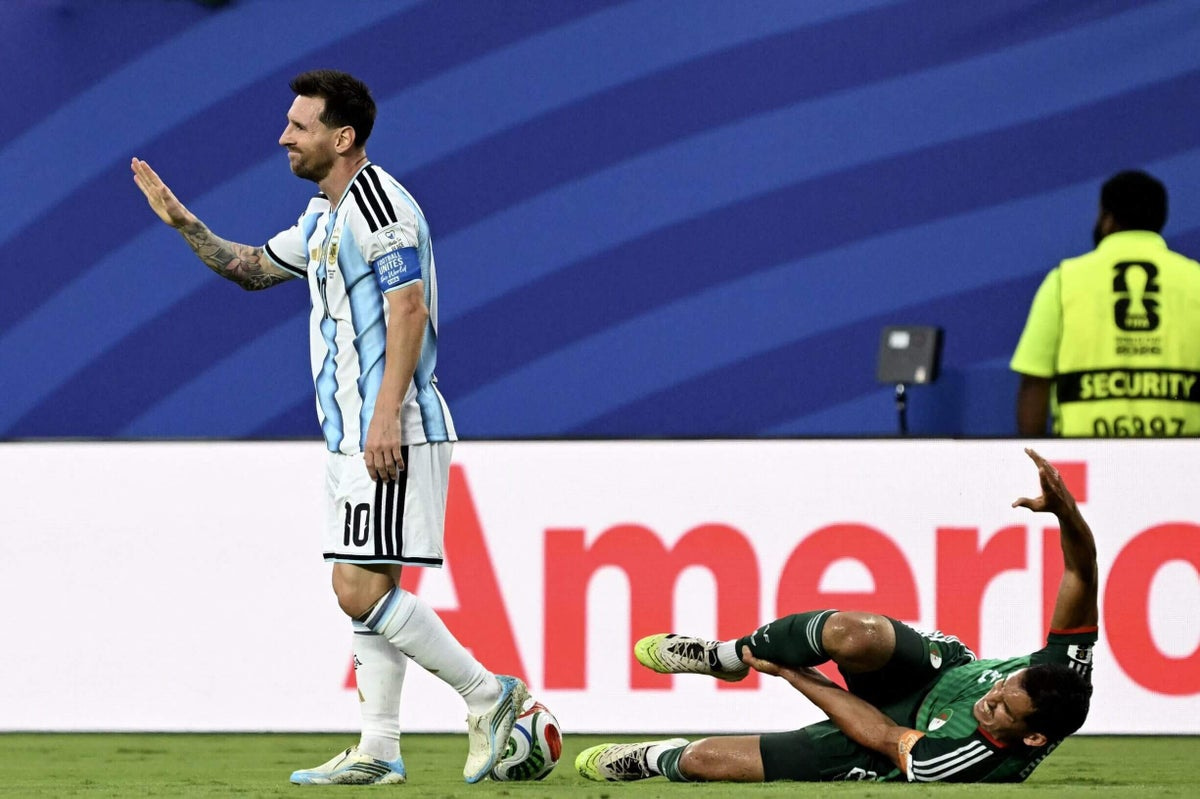
The Mandi Challenge
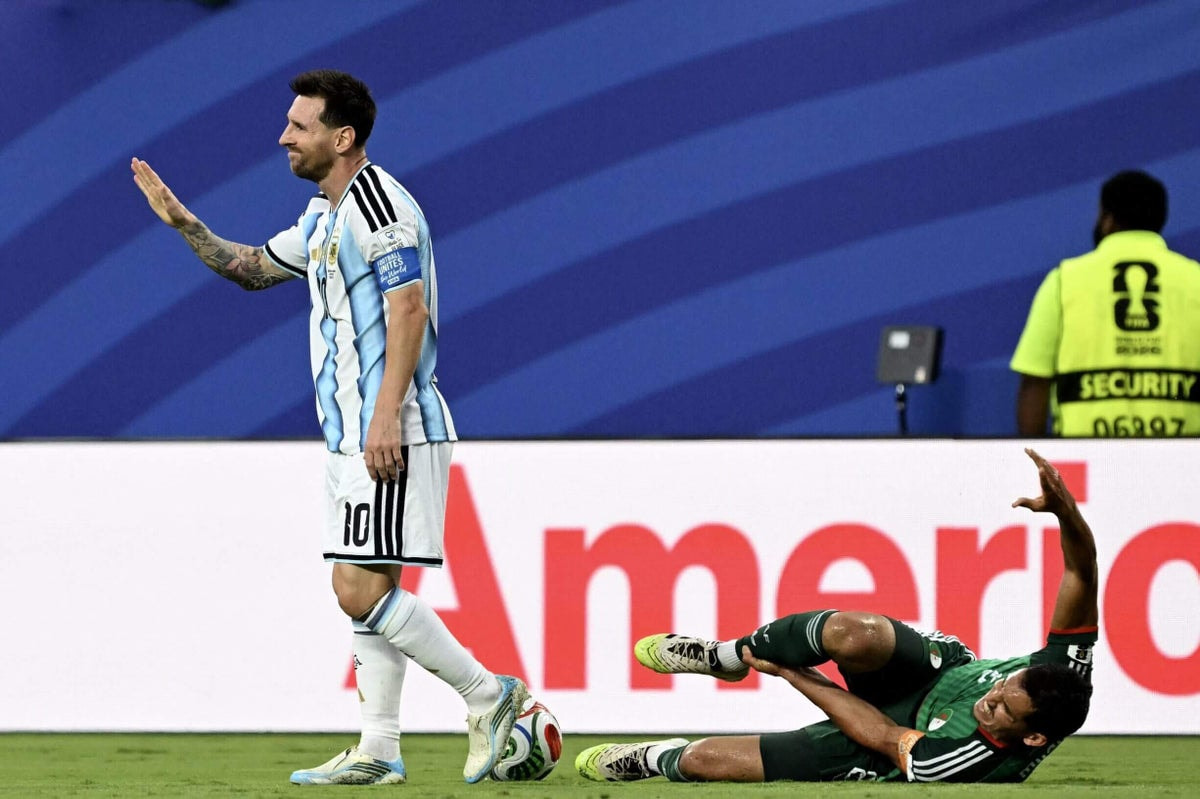
Messi's tackle on Mandi has been described variously as clumsy, careless, reckless, or downright dangerous. For some observers, it continues a trend of the Argentine getting away with offences that lesser known players would be punished for.
Few referees would have dismissed Messi for the challenge, not because of who he is but because there was no intent or intensity in his actions. The match official was Szymon Marciniak, who refereed the 2022 World Cup final. This was not a novice appointment.
The reactions of the Algerian players are significant. None of them saw any malice in the challenge. Footballers typically spring to the defence of a team mate who is harmed deliberately, and players are now drilled to cause a fuss to ensure VAR takes a long, hard look at replays. The collective shrug from the Algerian side would have been one consideration in the video review room, given that VAR officials worldwide are criticised for delaying the game when no one on the pitch seems interested in overturning the on field decision.
Replay, VAR, and the On Field Call
On replay, the decision becomes more challenging. There is no doubt that Messi's studs were planted into Mandi's calf. The contact looked painful, and Mandi's reaction appeared genuine.
Some VAR teams may have recommended an on field review because of the potentially serious consequences of the tackle, which seemed to put Mandi at risk of injury. To that extent, Messi was fortunate, as the referee may have reached for his red card if shown slow motion replays of the contact on the pitch side monitor.
For a player to receive a straight red card for serious foul play, there must be evidence that they endangered their opponent's safety or used excessive force. Watching in real time, the referee would have seen no such thing. The contact looked incidental and accidental, not forceful and deliberate, and a free kick sufficed. Mandi was hurt, but he did not require treatment, making it harder to build a case for a red card.
If officials want a more clinical process with more consistent outcomes, longer delays and leaving officials in peace to make their judgements would be required. That shift does not appear imminent.
What the Correct Outcome Should Have Been
If I had been refereeing, I would have joined Marciniak in awarding a free kick only. I would have been mistaken, but only because it should have been a yellow card.
Had I been on VAR duty, much would depend on the first replay I was shown, as this has a major impact on the final outcome. The protocol in England is to watch such challenges at full speed from a wide angle first to assess the nature of the tackle. On that basis, it is highly unlikely that I would have been tipped into an intervention based on the still images and high-definition replays.
Star Treatment and Impartiality
Some will interpret this kind of analysis as a charter for players to feign the extent of an injury, which many already do, and to surround the referee aggressively to get an opponent sent off, which also happens. Top officials are considered smart enough to recognise the difference between a player in actual pain and one writhing around theatrically, and to distinguish between organic anger and confected rage.
The result would likely have been the same if the roles were reversed and Messi had been on the receiving end. That outcome is highly probable, though certainty is not possible.
Referees are charged with employing strict impartiality, but at the same time are expected to be more forgiving of offenders who are not that kind of player while not prejudging those with reputations, however well deserved.
In relation to superstars, officials can be damned either way. Some believe this level of debate only occurs because of the player's fame; others will point out that you cannot have one set of rules for one footballer and another for one who is less celebrated. Both arguments have substance.
The extent to which referees are swayed or even intimidated by the identity of a guilty player varies from one official to another. The very best can set all prejudice aside and judge each incident on its merits and in context, and every ref will swear that they are always striving to do so.
But there are few officials who can achieve this goal absolutely, as all know that the scrutiny that will follow an incorrect red card shown to a legend of the game will be unbearable. Officials are only human.
Consider the treatment of Michael Oliver, whose wife was bombarded with hateful text messages after he sent off Italian great Gianluigi Buffon. Being right did not save him, or her for that matter.
Any bias, subconscious or otherwise is in the margins, and relates to decisions that could go either way. I am confident that Marciniak would have made the same call even if Messi had been on the receiving end of the same tackle.
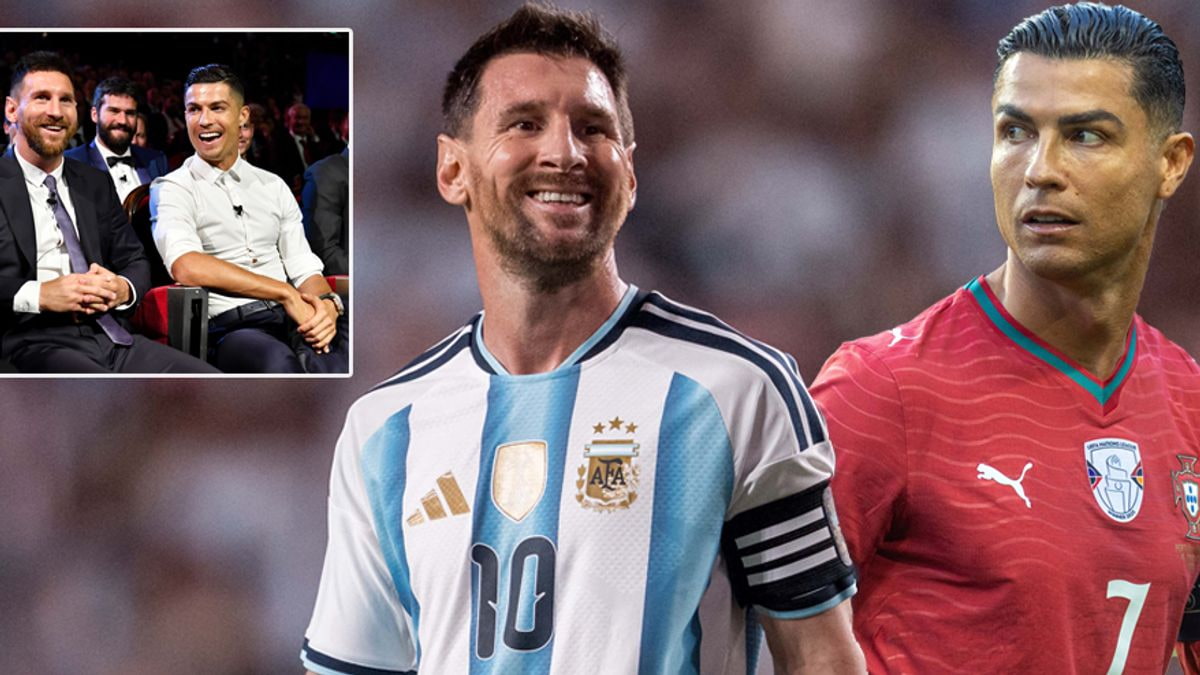
Such is the cult of personality surrounding players such as Messi and Cristiano Ronaldo, rational debate is impossible. YouTubers, TikTokers and other online commentators will not be amassing clicks for exploring nuance, only for taking sides.
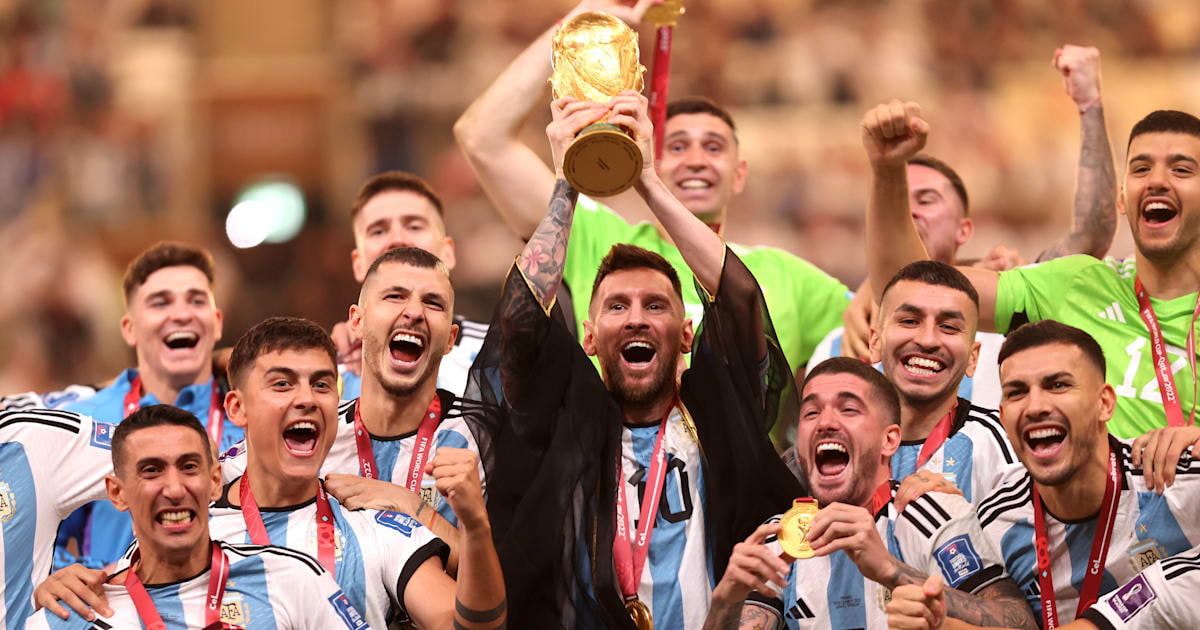
In the wake of Tuesday's incident, there was a rush to dredge up footage or photos of Messi's handball against the Netherlands in the 2022 World Cup quarter-final in Qatar, a very clear deliberate handball which was not punished by a yellow card.
That call was also in the margins, as the offence did not prevent the Dutch from launching a promising attack, but could easily have led to a caution as it was so cynical. As a result, Messi was free to commit a foul for which he was booked, safe in the knowledge he would only be receiving his first caution.
Messi's foul on Tuesday carried more shades of grey, although most people will only have it on a slow-motion replay or a still image, rather than live, and their conclusions would have been drawn accordingly.
If only players would back up their oft-quoted claim that all they want is for referees to get decisions right by giving officials space to do so, rather than surrounding, hounding and intimidating them in an attempt to beat them into submission.
Wishful thinking.