
According to the available material, the pair appear to be weighing whether more tournament games and what some may view as a watered-down competitive pool are redefining how fans read the record books. The framing suggests the debate is less about one specific scorer and more about how format changes could affect historical comparisons across World Cup cycles.
Diehards tracking global soccer milestones will likely recognize the tension: expanded fields can mean additional fixtures and more opportunities to pile up goals, which may shift how career and tournament totals are judged against eras with fewer matches and tighter entry standards.
Christian Polanco and Alexis Guerreros host The Cooligans on Apple Podcasts, Spotify, and YouTube. In the segment, they discuss whether an expanded field with weaker teams diminishes World Cup goal records. Erling Haaland scored two braces in games during what is noted as his first World Cup, while Mbappe is highlighted alongside him as one of the players expected to have a big tournament. Algeria and Riyad Mahrez come up in the discussion of players scoring braces.
The hosts compare the current expansion to past moves from 16 to 32 teams or 24 to 32 teams, noting similar debates about how records should be read.
How significant are the records when there's gonna be more games, more, quote unquote, weaker teams.
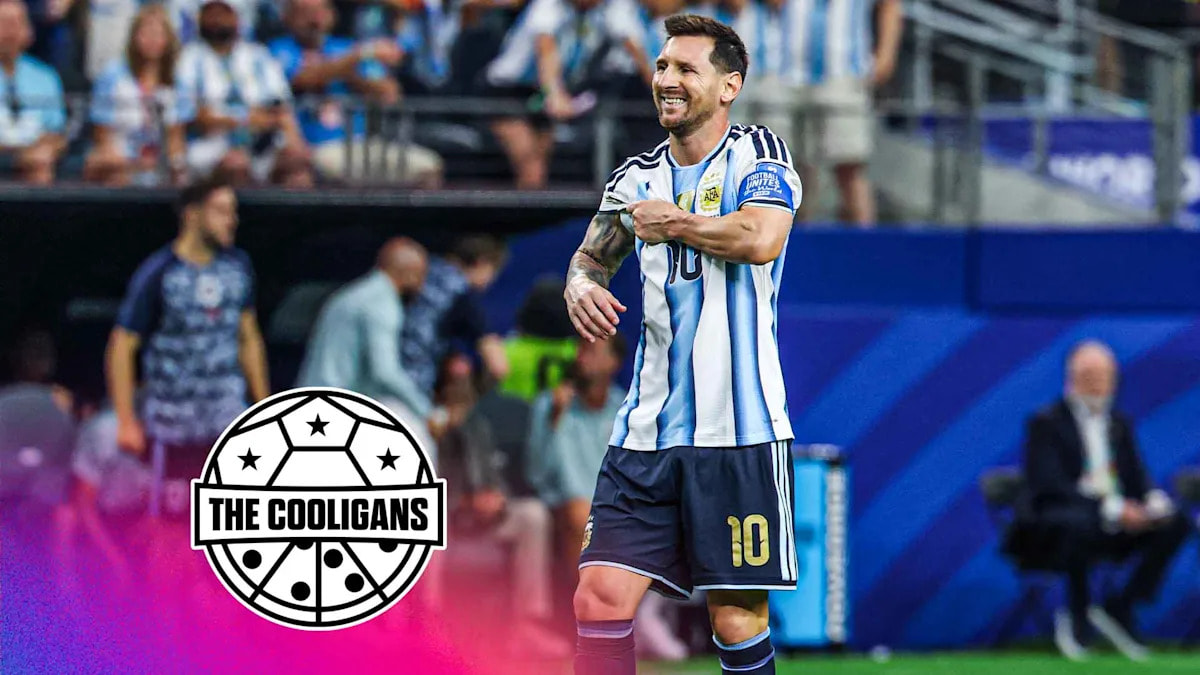
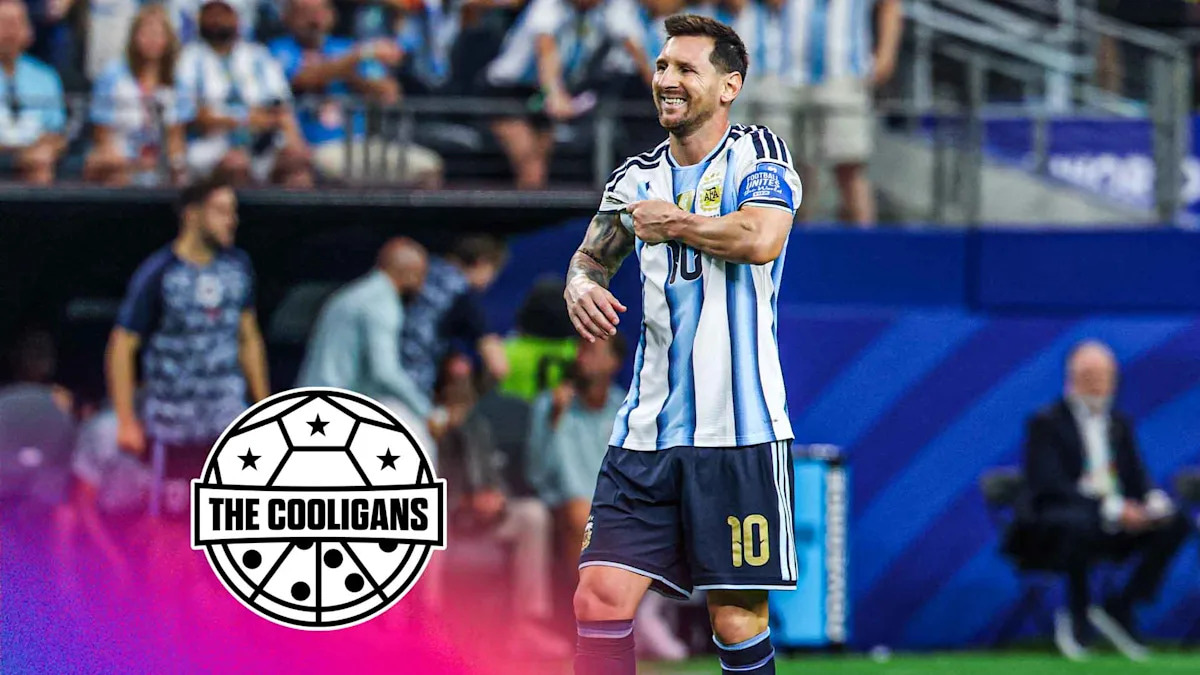
On Lionel Messi, the hosts note he is playing well and contributing despite being older, including appearances against Algeria and Austria.
I did not expect Messi to play this well, even against Algeria. Even against Austria, right?
They suggest Argentina has faced teams that are not truly prepared to play against Argentina and against Lionel Messi, even as the debate over what expanded formats mean for the record books continues.