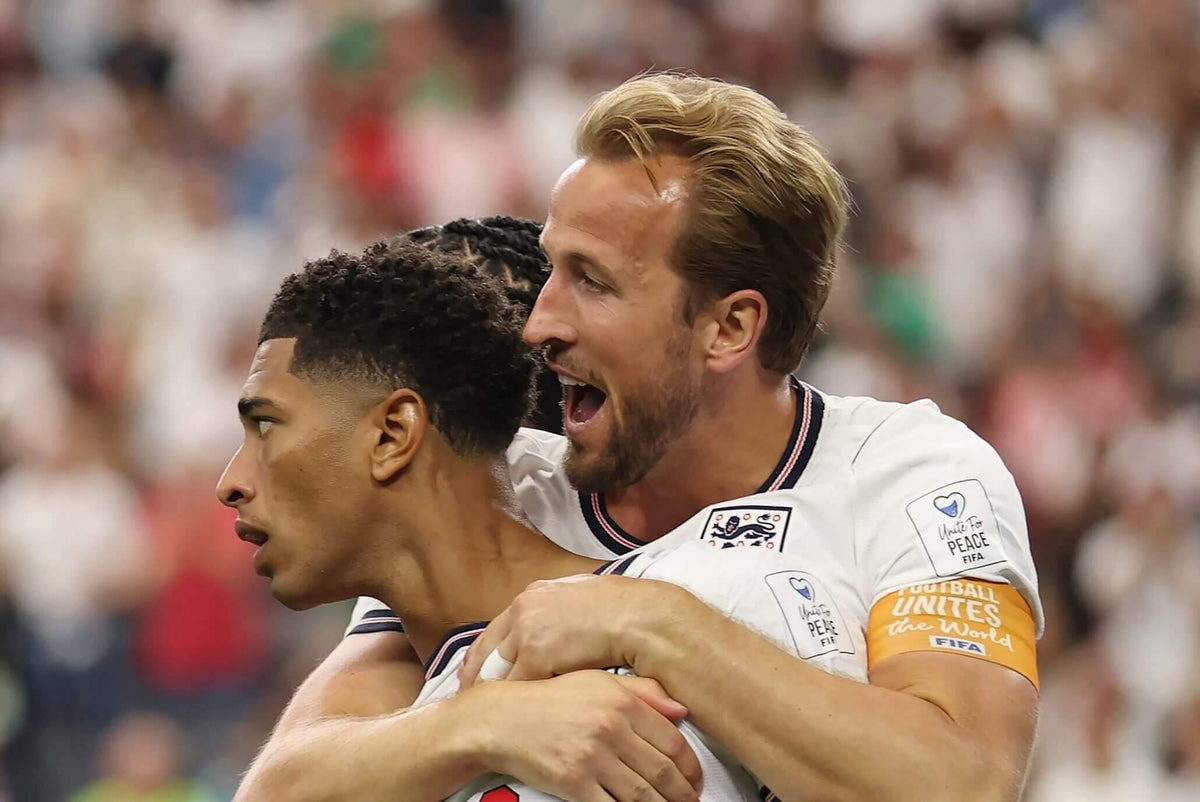
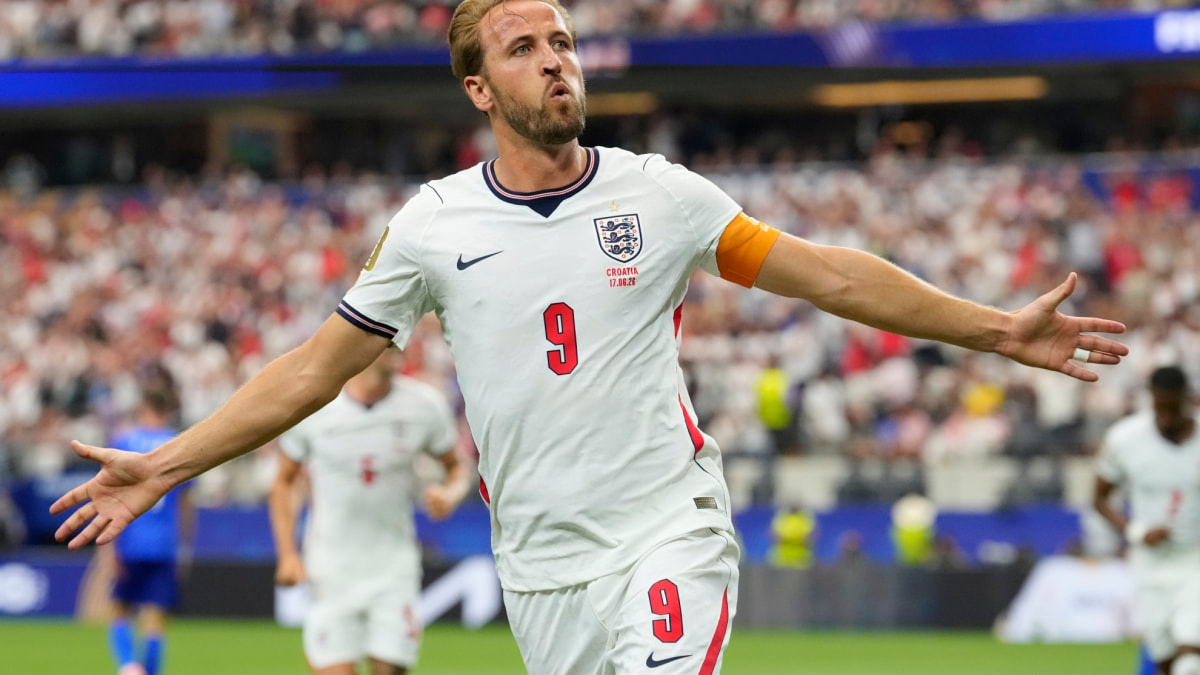
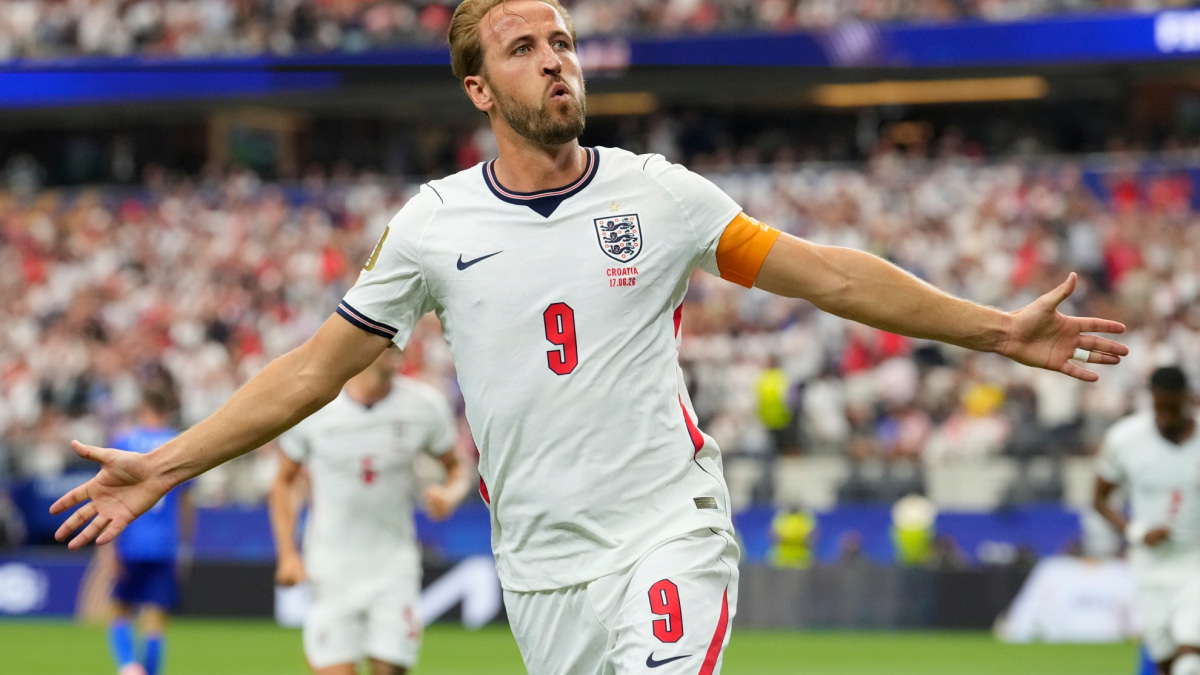
Harry Kane stands among the leading candidates for this year's Ballon d'Or, with his case tied directly to how England fares at the 2026 FIFA World Cup. After the tournament's opening round, Kane's club and country scoring totals have put him in rare historical company, while his early World Cup output has already moved him up England's all-time chart.
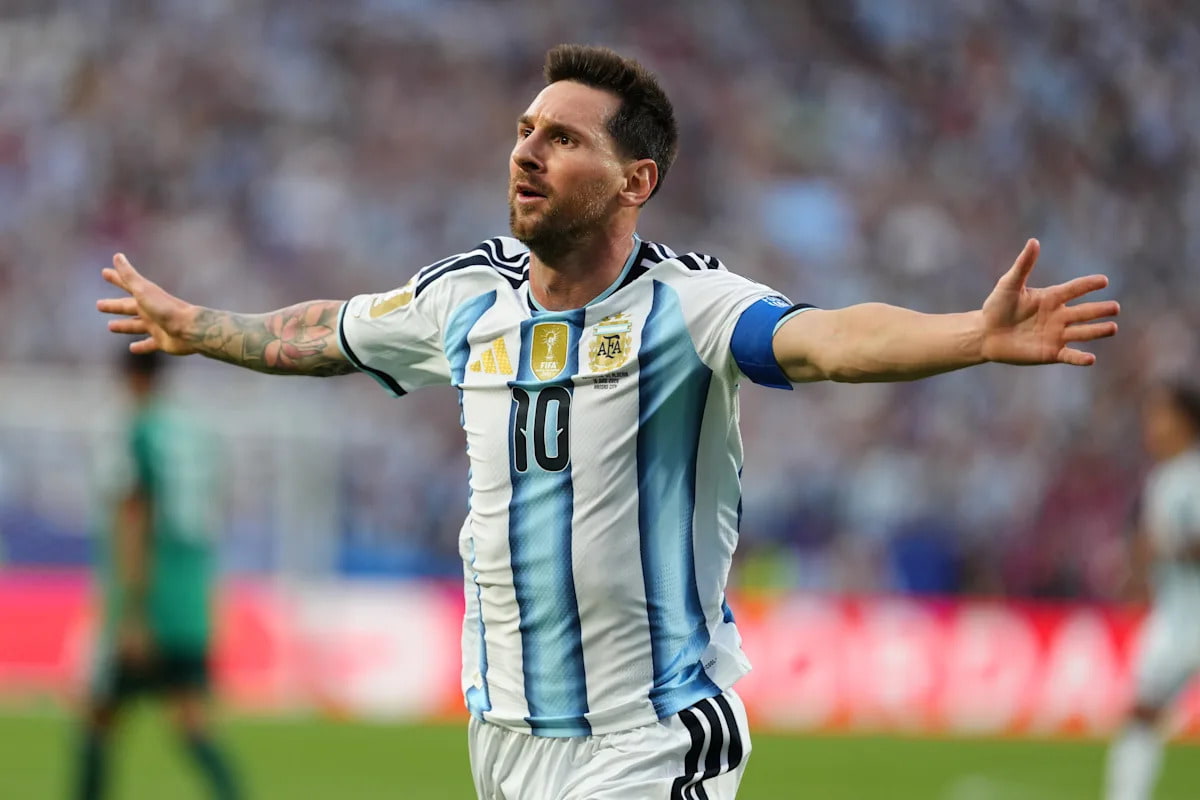
With all 48 teams having made their debut, the expanded World Cup has quickly established a high bar for individual performance. Lionel Messi sits alone as the tournament's scoring leader after a clinical hat-trick against Algeria.
One step behind Messi on the scoring chart, seven players have each netted a brace in the opening round:
- Kylian Mbappé
- Erling Haaland
- Folarin Balogun
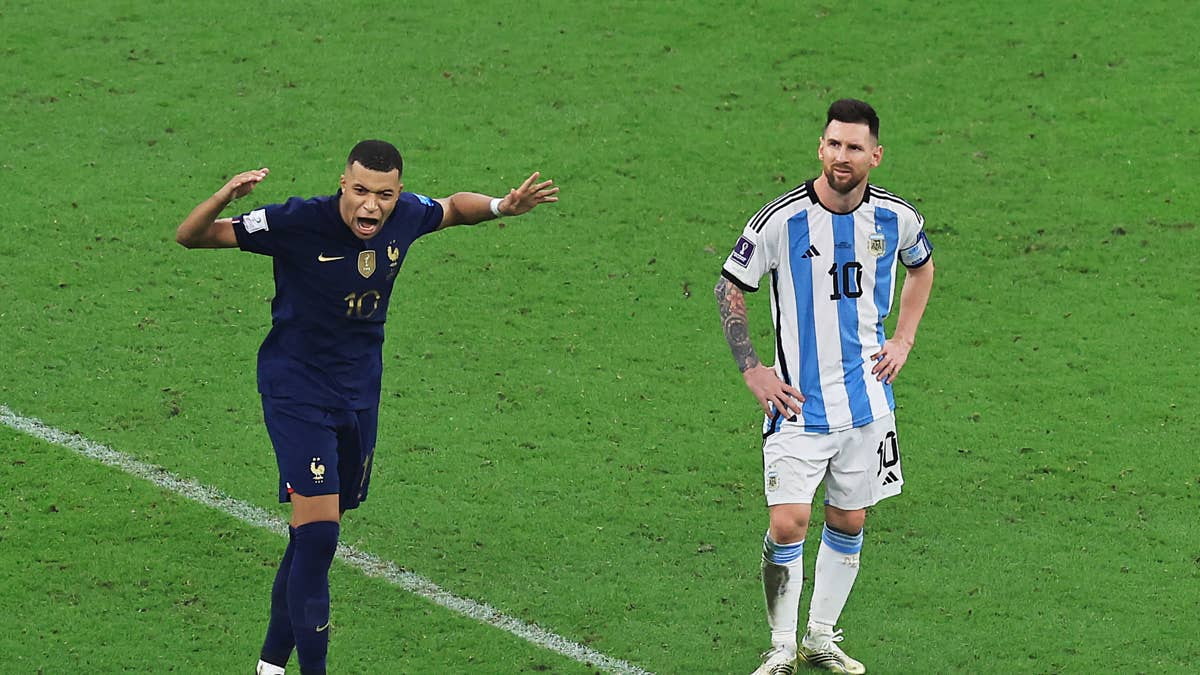
For Mbappé and Kane, those brace performances carried extra weight beyond the group stage table. Mbappé officially became France's all-time leading scorer with 58 goals. Kane, meanwhile, drew level with Gary Lineker as England's most prolific scorer in World Cup history with 10 goals.
Kane's Historic Scoring Pace
Every World Cup year reshapes the Ballon d'Or conversation, and the spotlight at this tournament includes Bayern Munich's Michael Olise and Harry Kane. Both enter as top contenders, driven by the ambition to lead France and England, respectively, to global glory. Kane carries a distinct statistical edge into that race because of what he produced before the World Cup began.
The England captain has already tallied 69 goals across club and country this season, split between 61 at club level and 8 for his national team. That total ties the legendary single-season marks set by Cristiano Ronaldo in 2011/12 and Lionel Messi in 2012/13 for the second-highest scoring output of this century.
Only one season remains ahead of Kane on that list: Lionel Messi's 2011/12 campaign, during which Messi netted 82 goals in 69 appearances. Kane's path to 69 goals has been more efficient by volume of games played. He reached his tally in 59 matches, averaging 1.17 goals per game. Ronaldo hit his 69-goal mark across 69 matches for a 1.0 goals-per-game rate, while Messi needed 62 appearances for his 69-goal benchmark, a 1.11 goals-per-game average.
Kane still has at least two group-stage fixtures remaining against Ghana and Panama. With those matches ahead, he is positioned to claim sole possession of second place on that exclusive century list if his scoring rate holds.
Individual awards at this level often hinge on how a player and his country perform on the biggest stage. Kane's season-long dominance, paired with his push to climb the all-time World Cup scoring charts alongside Mbappé and Messi, forms the core of his case to be recognized as the world's best player this year.