The event grew from a 32-team field to 48 teams for 2026, and the first round of group matches has produced measurable shifts in scoring, fouls, physical output, and in-game stoppages compared with recent editions.
Eight Key Numbers From Week One
These figures capture the standout statistical trends from the World Cup's opening week of group-stage action:
- Average goals per game: 3.12. That mark is up from 2.56 goals per game during round one of the 2022 group stage. Northeastern University data researcher Brennan Klein pointed to the expanded 48-team field, which includes more lower-ranked teams, as a possible factor behind the increase in average goals per game.
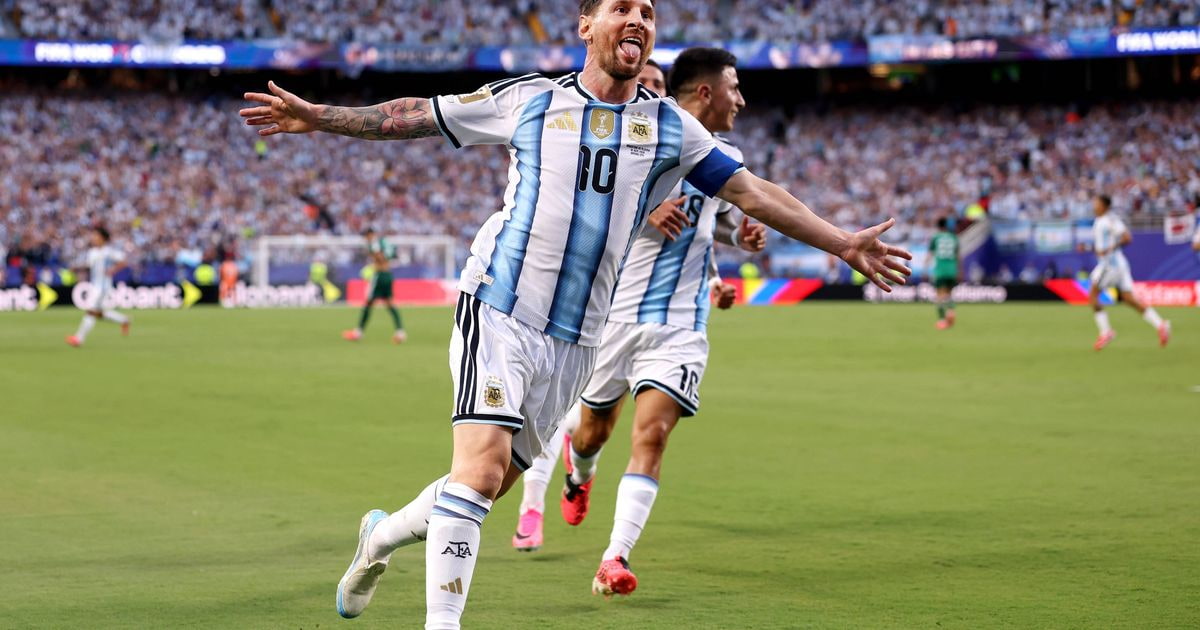
- Most goals by a single player in one game: 3. Argentina forward Lionel Messi scored a hat trick in the team's opener against Algeria. The three-goal performance tied Miroslav Klose's record for most men's World Cup goals at 16.
- Highest successful dribbles by one team in a match: 21. The United States posted that total. Klein said the U.S. was much more willing to engage the defense than in years past, rather than settle for more conservative passes.
- Average fouls per game: 24.4. That figure is down from 27.7 fouls per game in 2022 and 29.3 in 2018. Klein said the decrease in fouls could be related to the increased scrutiny that players are under with the widespread introduction of video assistant referee (VAR), as well as the referees in general doing a pretty good job at letting the game flow and not whistling for smaller fouls that, in previous years were likely to be called a foul.
- Highest distance run by a player in the group stage: 8.1 miles. Jordan's Noor Al-Rawabdeh covered that distance against Austria. Al-Rawabdeh also made history at the FIFA World Cup by providing the assist for Jordan's first-ever goal in the tournament's history in the team's debut match.
- Top speed by any player: 22.8 mph. Australia defender Jordan Bos led all players in top speed. His teammate Mohamed Touré ranked fourth at 22.2 mph.
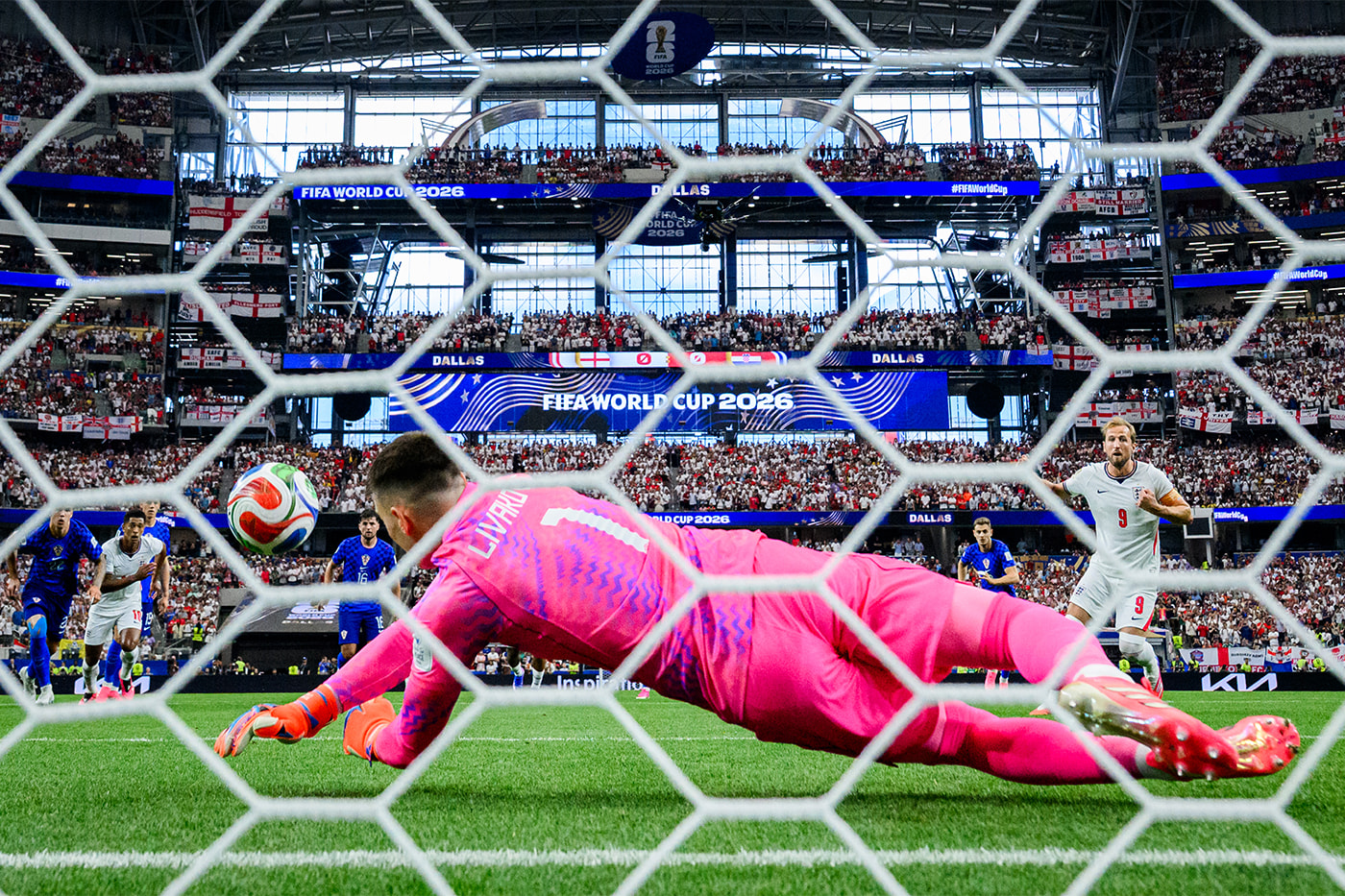
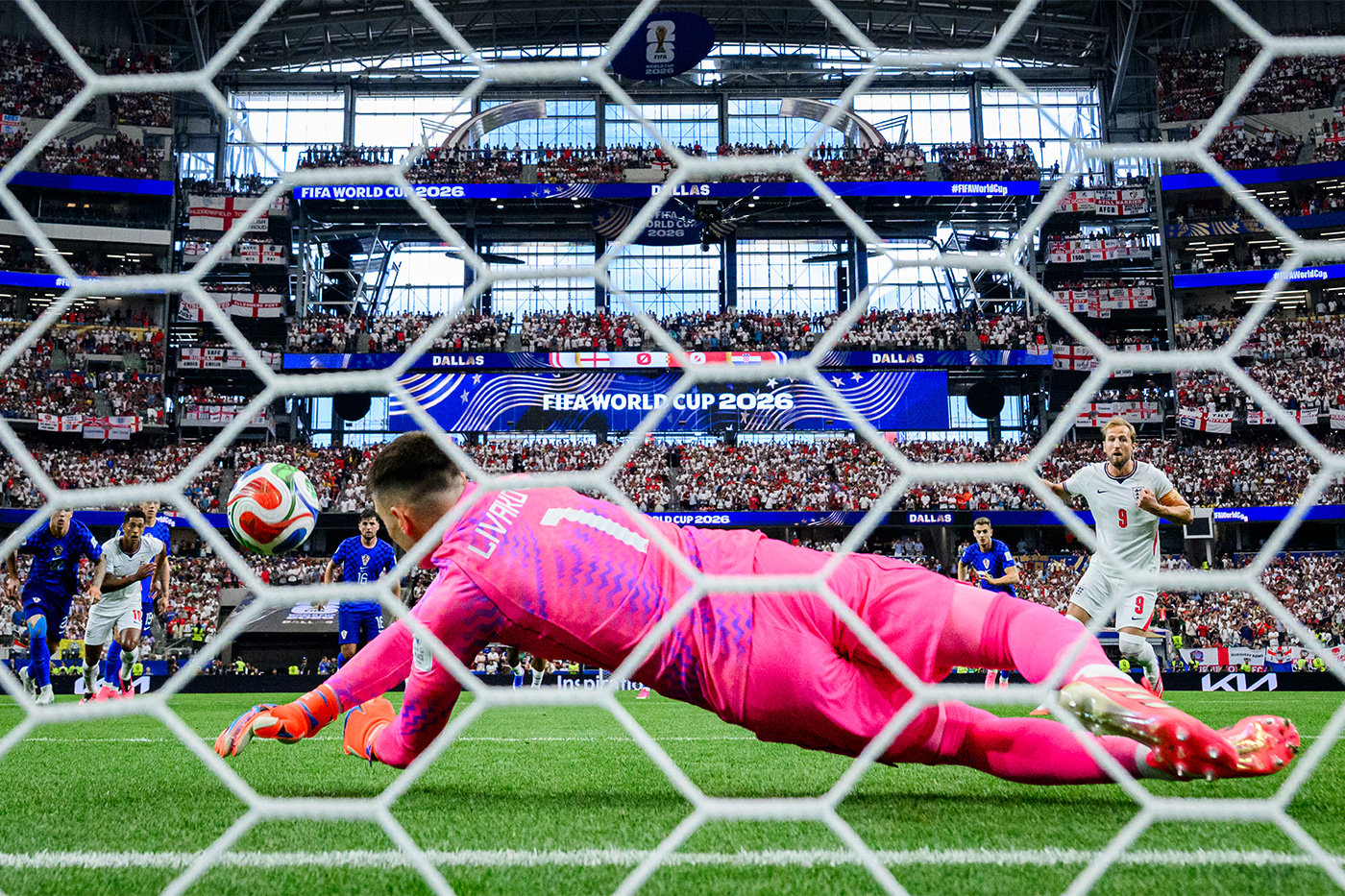
- Highest expected goals (xG) on a single saved shot: 0.82. Croatia goalkeeper Dominik Livaković stopped a barrage of shots by England at the 55-minute mark off a corner kick, including the highest-xG attempt of the round.
- Total hydration break time: 157.7 minutes across 48 breaks. Those stoppages took place across all 24 played matches in the first round of the group stage. Hydration breaks averaged about 3.3 minutes each.
Early group-stage data also framed broader questions about how the expanded format, officiating standards, and mandated hydration pauses are affecting match tempo and shot volume as the tournament moves deeper into the opening round.
On the scoring front, the jump to 3.12 goals per game stands out against recent World Cup openers. Messi's hat trick against Algeria immediately tied him with Klose at the top of the men's all-time World Cup scoring list at 16 goals, making the individual and team scoring trends two of the defining early storylines.
Physical and tactical data added another layer. The United States' 21 successful dribbles reflected a more aggressive approach in possession, while Jordan Bos and Mohamed Touré posted the fastest top speeds recorded in the opening group-stage round. Noor Al-Rawabdeh's 8.1 miles against Austria combined elite workload with a landmark assist in Jordan's World Cup debut.
Between the foul count dropping to 24.4 per game and Livaković's standout save against England on a 0.82 xG chance, defensive play and officiating also featured prominently in the first week's numbers. Hydration breaks, meanwhile, accounted for nearly 158 total minutes of stoppage time spread across 24 matches, averaging roughly 3.3 minutes per break.
Klein said the U.S. was much more willing to engage the defense than in years past, rather than settle for more conservative passes.
Klein said the decrease in fouls could be related to the increased scrutiny that players are under with the widespread introduction of video assistant referee (VAR), as well as the referees in general doing a pretty good job at letting the game flow and not whistling for smaller fouls that, in previous years were likely to be called a foul.