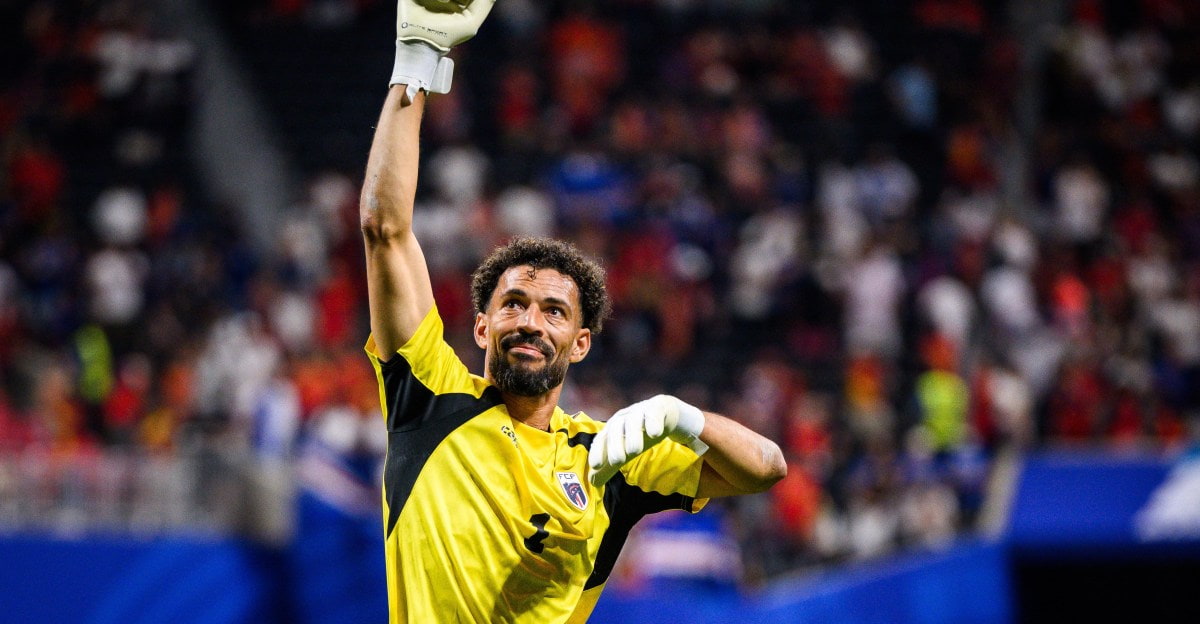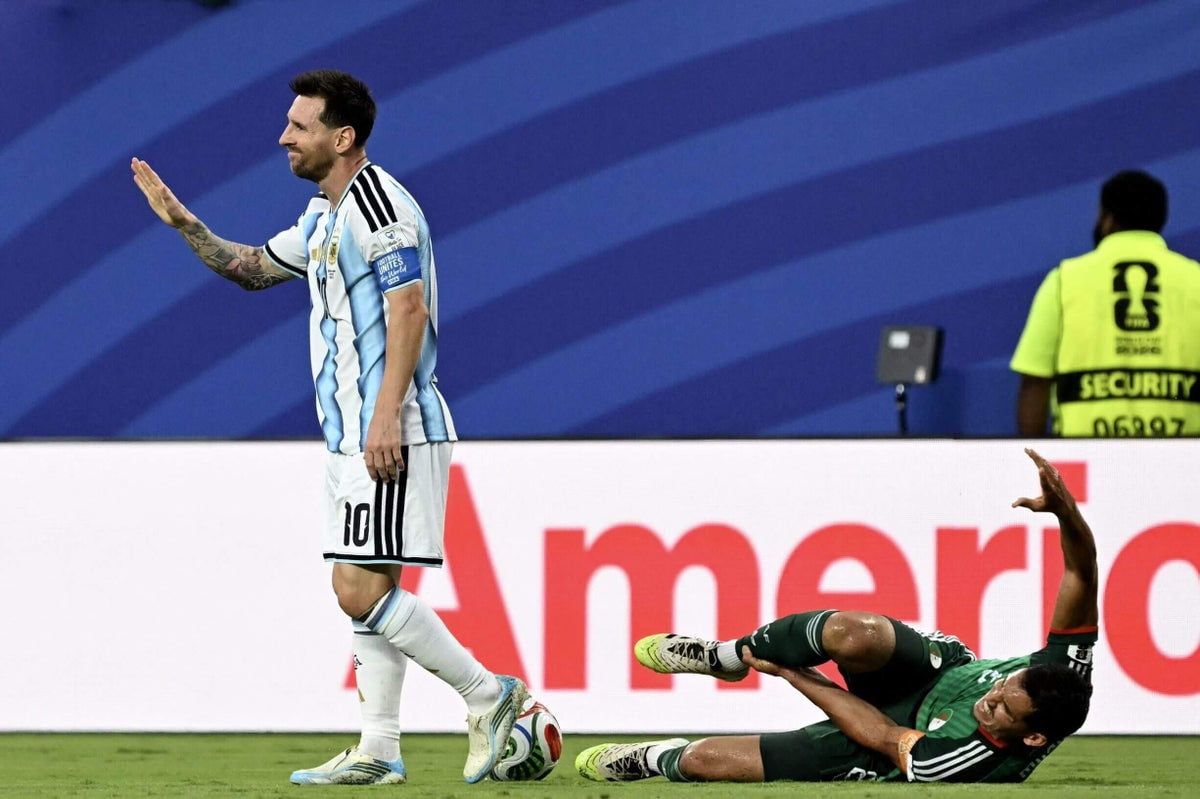


Early tournament action has already underscored how unpredictable the men's competition can be. Morocco reportedly tied five-time champion Brazil, Australia overturned the odds by beating Turkey, and Cabo Verde, ranked 67th at the start of the tournament, held Spain to a 0-0 draw. Argentina opened Group J play at Kansas City Stadium on Matchday 1, with Lionel Messi scoring to make it 2-0 against Algeria in men's group-stage action.
Player quality and coaching staff clearly shape outcomes, and teams increasingly appear to lean on sports analytics, including real-time player geolocation metrics, big data, and predictive algorithms for in-game decisions. Sports psychology may play an equally large role for the 48 teams competing across Mexico, Canada, and the U.S. during the 2026 FIFA World Cup.
A sport psychologist who directs the Global Sport Leadership Solutions Lab at Drexel University and grew up playing soccer in Germany outlines what may be essential psychological principles for World Cup squads. The framework is presented as five steps for soccer success.
- Disruption. Winning teams in modern soccer may benefit from disrupting opponents through brute-force tactical fouls, high-speed counterattacks that catch the opposition off balance, deceptive set pieces that create organized chaos, high-pressure tactics that force errors, and getting under the skin of opposition players.
Strikers such as England's Harry Kane, France's Kylian Mbappé, and Norway's Erling Haaland maintain attentional control under pressure. The psychologist studies how players and coaches can manage chaos on the pitch to strategically improve performance and win.